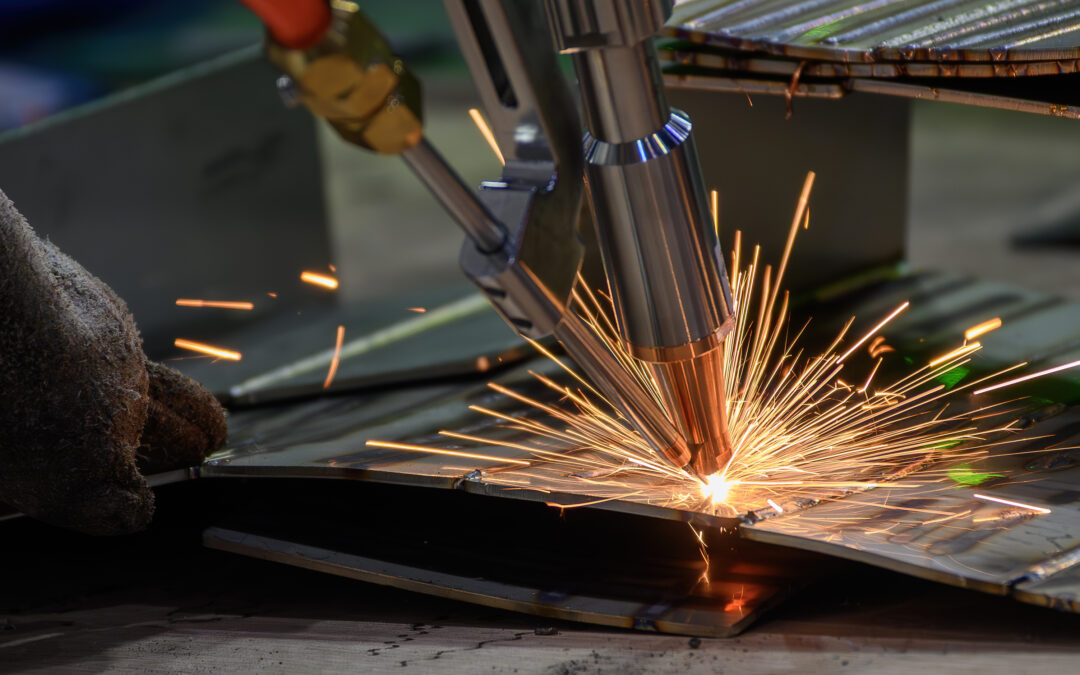
If you’re new to welding, one of the first decisions you’ll face is choosing between MIG and TIG welding. Both methods are widely used across industries—from automotive repair to custom fabrication—but they serve different purposes and require different skill levels. Understanding the strengths and limitations of each process will help you choose the right tool for your project and avoid costly mistakes.
What Is MIG Welding?
MIG (Metal Inert Gas) welding, also known as Gas Metal Arc Welding (GMAW), is one of the most beginner-friendly welding methods available. It uses a continuously fed wire electrode and a shielding gas to protect the weld from contamination. The process is relatively fast and easy to learn, making it ideal for those just starting out.
Key Advantages of MIG Welding
- Easy to learn
- Fast and efficient
- Clean welds with minimal slag
- Versatile across many metal types
Best Uses for MIG Welding
- Automotive repairs
- Home improvement projects
- Welding thicker metals
- Production environments
What Is TIG Welding?
TIG (Tungsten Inert Gas) welding, or Gas Tungsten Arc Welding (GTAW), is known for its precision and high-quality welds. Unlike MIG welding, TIG uses a non-consumable tungsten electrode and requires the welder to manually feed filler material. This gives you greater control, but it also requires more skill and practice.
Key Advantages of TIG Welding
- Superior precision
- High-quality, clean welds
- Greater control for detailed work
- No spatter and minimal cleanup
Best Uses for TIG Welding
- Aerospace and aviation work
- Artistic metal projects
- Thin metals like aluminum and stainless steel
- High-end fabrication
MIG vs. TIG: Key Differences
| Feature | MIG Welding | TIG Welding |
|---|---|---|
| Skill Level | Beginner-friendly | Advanced |
| Speed | Fast | Slower |
| Precision | Moderate | Very high |
| Equipment Cost | Lower | Higher |
| Material Thickness | Thicker metals | Thin metals |
| Appearance | Good | Excellent |
Which Welding Process Should You Choose?
The right choice depends on your project goals, materials, and experience level.
Choose MIG Welding if:
- You’re just starting out
- You need to complete projects quickly
- You’re working with thicker metals
- You want a cost-effective solution
Choose TIG Welding if:
- You need high precision and clean finishes
- You’re working with thin or delicate materials
- You have some welding experience
- Appearance and detail matter
Final Thoughts
Both MIG and TIG welding have their place in modern fabrication. MIG offers speed and simplicity, making it perfect for beginners and large-scale work. TIG delivers unmatched precision and quality for projects where detail matters most.
If you’re just getting started, MIG welding is usually the best entry point. As your skills develop, learning TIG welding can open the door to more advanced and specialized work. By understanding the differences between these two methods, you’ll be better equipped to choose the right process and achieve professional-quality results on every project.