
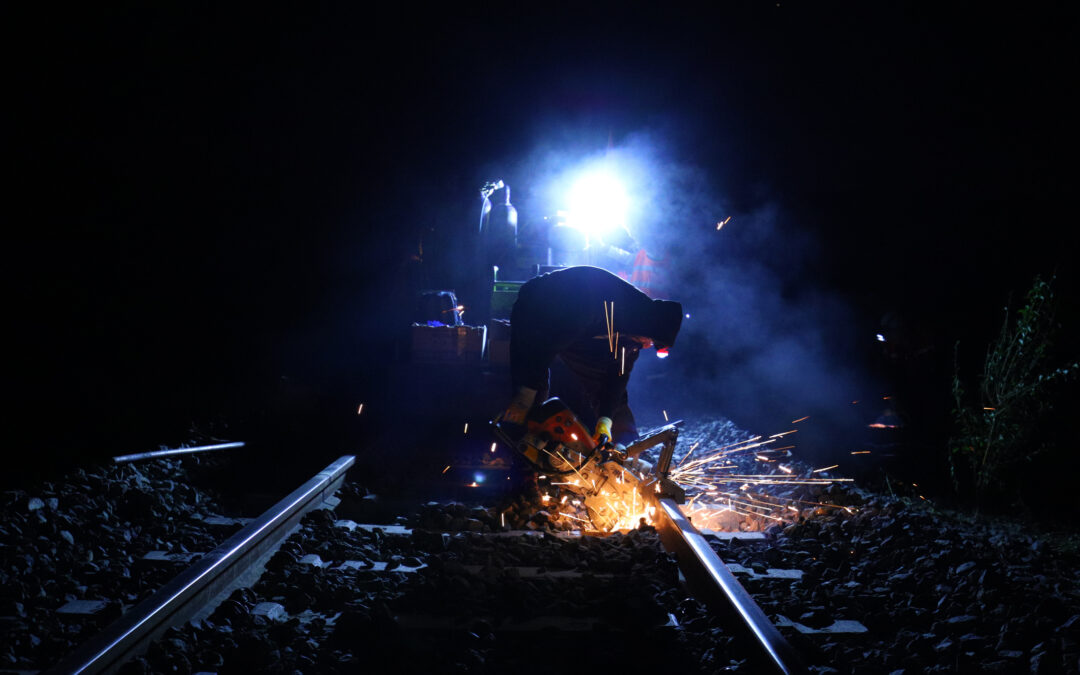
Cold Weather Welding: Techniques for Successful Projects in Winter
Welding in Winter: Tips for Success
Welding in winter presents unique challenges, from freezing temperatures to moisture in the air. However, with the proper techniques, equipment, and safety measures, it’s possible to achieve success.
Challenges of Cold Weather Welding
Winter conditions can make welding more difficult than usual for several reasons. Extreme cold can cause metals to behave differently, often leading to brittle welds or cracking. Low temperatures also affect the welding process, since colder metals require more heat to reach the proper welding temperature. Additionally, cold air and moisture can impact weld quality and compromise the integrity of the finished product.
Safety is another concern. Working outdoors or in unheated environments exposes workers to harsh conditions that increase the risk of accidents and injuries. Adopting cold-weather welding strategies is essential to ensure both safety and project success.
Winter Welding Tips: Preparing for the Cold
1. Preheat the Base Material
Cold metals absorb heat quickly, which can result in poor weld quality. Preheating ensures the metal reaches a more manageable temperature, helping prevent defects. Depending on the material, preheating temperatures typically range between 200°F and 500°F.
2. Use the Right Welding Supplies and Equipment
Choose welding machines capable of handling low temperatures and providing consistent heat. Cold weather can make wires brittle, so use high-quality electrodes and filler materials designed for winter conditions. Also check your torch, cables, and hoses for cold-related issues before starting.
Certain gases, like argon and CO₂, behave differently in freezing temperatures. Consult with your industrial gas supplier to confirm you’re using the correct gases for winter welding.
3. Protect Your Work Area from the Elements
Wind, snow, and rain can interfere with weld quality. Wind can disperse protective gases, while moisture can contaminate the weld. Use a portable shelter or tent to shield your workspace and cover your equipment with tarps or insulation to prevent weather-related damage.
4. Warm Up the Equipment
Cold temperatures can make electrical connections, hoses, and cables brittle. Allow your equipment to warm up before use and run a test weld to confirm everything is working properly. Check for weak connections or potential equipment failures before starting the job.
5. Stay Warm and Protected
Cold weather is tough on the body. Wear insulated clothing such as thermal underwear, insulated gloves, and warm boots. Proper PPE remains essential: flame-resistant clothing, safety boots, and a welding helmet are must-haves.
Bonus: Fire Suppression Equipment and Services
Winter welding can increase the risk of fires, especially when working with flammable materials. Sparks or hot debris can ignite nearby objects. Always keep fire extinguishers, fire blankets, and sprinkler systems close at hand—especially in industrial environments.
Cold-weather welding is demanding, but with the right preparation, you can achieve strong, safe welds even in freezing conditions. At Eureka Oxygen, we provide reliable welding supplies, equipment, and industrial gases to keep your projects running smoothly—no matter the season.