Industrial gases play a key role in countless industries, from manufacturing and healthcare to food processing and electronics. Each gas has unique properties and applications that make it indispensable in specific settings. Let’s explore the characteristics and uses of common industrial gases like nitrogen, oxygen, and argon, and how they contribute to modern industry.
What Are Industrial Gases?
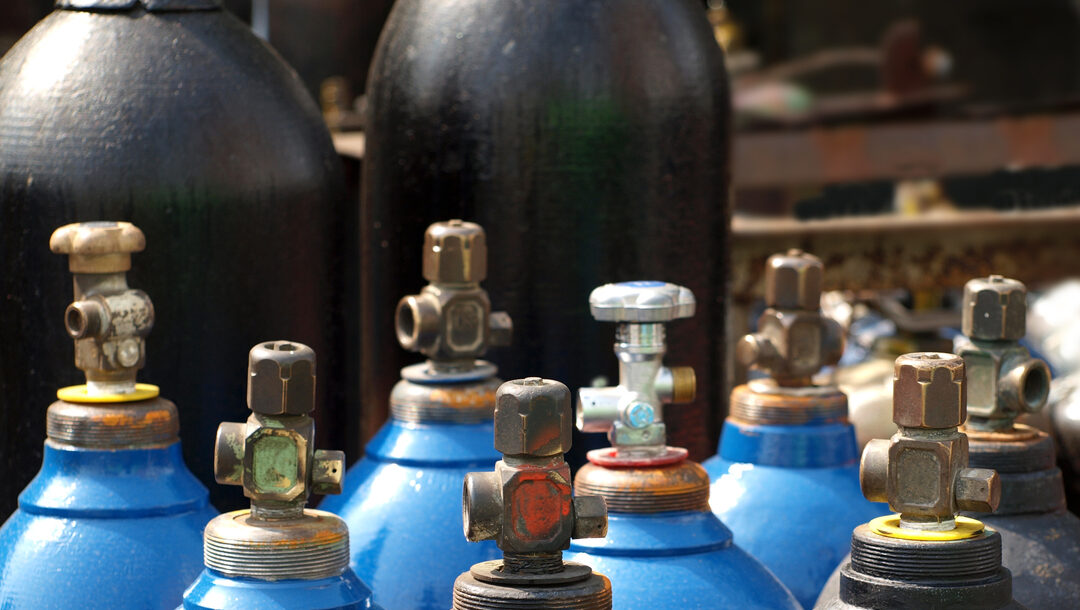
Industrial gases are gaseous materials manufactured for use in various industrial processes. They are supplied by specialized industrial gas suppliers and are often stored in cylinders, tanks, or as cryogenic liquids. Some of the most widely used industrial gases include nitrogen, oxygen, argon, carbon dioxide, and hydrogen.
Nitrogen – Versatile Gas
Nitrogen is one of the most commonly used industrial gases due to its inert nature. It is colorless, odorless, and non-flammable, making it ideal for a wide range of applications, such as:
-
Food packaging: Displaces oxygen in food packaging to prevent spoilage and extend shelf life.
-
Chemical manufacturing: Used as a blanketing gas to prevent chemical reactions during production.
-
Electronics: Creates controlled environments for producing semiconductors and electronic components.
-
Metal industry: Utilized in heat treatment processes and to reduce oxidation during welding.
Oxygen – Essential for Life and Industry
Oxygen, known for its role in respiration, also has vital applications in industrial processes. Its reactive properties make it a key player in combustion, oxidation, and chemical synthesis. Common applications include:
-
Healthcare: Used in hospitals for respiratory support and life-saving treatments.
-
Metal fabrication: Applied in oxy-fuel cutting and welding.
-
Water treatment: Purifies water and treats wastewater.
-
Chemical production: A crucial component in synthesizing chemicals like ethylene oxide.
Argon – Noble Gas with Unique Benefits
Argon, a noble gas, is chemically inert and highly stable, making it invaluable in industries where reactivity must be minimized. Its uses include:
-
Welding: A shielding gas in TIG and MIG welding to protect welds from contamination.
-
Electronics: Essential in manufacturing semiconductors and flat-panel displays.
-
Lighting: A component in fluorescent and incandescent lighting.
-
Metallurgy: Prevents oxidation during production of specialty alloys and metals.
The Role of Industrial Gas Suppliers
Industrial gas suppliers ensure industries have access to high-quality gases in the required quantities. They provide expertise in handling, storage, and transportation, and help customers select the right gases for specific applications.
At Eureka Oxygen, you can find a wide range of cylinder gases for different applications. Check out our locations to see where we can deliver them to you.
How to Choose the Right Gas for Your Application
Choosing the right industrial gas depends on your industry and needs. Key factors include:
-
Properties of the gas: Reactive, inert, or combustion-supporting.
-
Storage and handling: Cryogenic liquids, compressed gases, or other forms.
-
Safety considerations: Proper equipment and safe handling procedures.
-
Supplier reliability: A trusted supplier ensures consistent supply and expert support.
Safety Considerations When Using Industrial Gases
Handling industrial gases requires strict adherence to safety protocols to prevent accidents and maintain efficiency. Important safety practices include:
-
Proper storage: Keep gases in ventilated areas, away from heat sources.
-
Equipment maintenance: Inspect and maintain cylinders, regulators, and valves regularly.
-
Training: Ensure employees are trained in safe handling and usage.
Industrial gases like nitrogen, oxygen, and argon are vital to many industries, each with unique properties and applications. Understanding their uses and partnering with a reliable supplier helps businesses optimize processes and maintain safety.
At Eureka Oxygen, we provide gas cylinders, welding equipment, and supplies to support your projects.